2026 “Super Bowl” Online Advertising and Trademark Guidelines
Updated: January 2026

Super Bowl LX is on Sunday, February 8, 2026, in Santa Clara, California (Levi’s Stadium). Kickoff is scheduled for 6:30 p.m. ET, and the game will air on NBC, Telemundo, and Peacock.
you are planning promotions, ads, or watch-party messaging, the safest approach is simple: build your campaign around football season excitement, not the NFL’s protected names and logos. You can still create fun, high-converting creative, you just need cleaner wording and more generic visuals.
This post is not legal advice, but it will help you avoid the most common mistakes we see when businesses try to market around the Big Game.
Quick answers for 2026 “Super Bowl” marketing
If you are not an official sponsor, do not use “Super Bowl” in paid ad copy, promo graphics, giveaways, or event naming. That includes “Super Bowl Party,” “Super Bowl Specials,” and similar phrasing that looks like brand affiliation.
Can you still run campaigns during Super Bowl week, and even on game day? Yes, and you should, because intent is high and attention is concentrated. The key is to use safer language like “The Big Game,” focus on your own offer, and keep NFL branding out of your creative.
When in doubt, assume stricter review for anything that is paid, boosted, or part of a promotion. Organic, conversational mentions may be treated differently than commercial calls-to-action, but your landing pages and ad creatives are where brands usually get flagged first.
The “Super Bowl” Trademark
“Super Bowl” is a protected term connected to NFL-controlled rights and related branding. That matters most when the term is used to sell, promote, or drive traffic in a way that suggests an official relationship.
A common misconception is that adding a disclaimer automatically makes it safe. In practice, a disclaimer may not fix a promotion that still looks like it is trading on NFL branding, especially for contests, giveaways, and commercial advertising.
If you need one rule that your whole team can follow, use this: do not build your headline around NFL marks. Put your offer first, use generic football language, and keep protected logos, team marks, and official event branding out of the campaign.
If you want to use “Super Bowl” commercially, talk to legal counsel and assume you will need written permission or a licensing relationship. That is the cleanest path if the term is essential to the campaign.
Using “Super Bowl” Online – Advertising Guidelines: What You Can Say
You can absolutely lean into the moment without saying the trademarked terms. Most brands do best when they make the offer obvious, keep the visuals generic, and write copy that would still work even if the game did not exist.
Use phrasing that customers instantly understand, but that does not imply sponsorship. You can also use the date, the day, or the city, and you can talk about “football championship” themes in a general way.
Use these safer phrases and creative approaches:
- Use “The Big Game”, “Big Game Sunday”, “Game Day”, or “Championship Sunday”
- Use generic football visuals: a football, a field, a goalpost, generic jerseys, and neutral colors
- Use general football language: kickoff, touchdown, halftime, final score, and postgame
- If you reference teams, keep it generic, for example “the AFC champion vs the NFC champion”
- If you reference a player, avoid names and images unless you have written permission, and do not use official photos
- If you want extra caution, add a short disclosure such as “Not affiliated with or endorsed by the NFL”
Here is what to avoid in promotional marketing, especially paid search, paid social, and email subject lines:
- “Super Bowl” and “Super Bowl Sunday” in ad headlines, promo graphics, or sale names if you are not licensed
- Team logos, official marks, Lombardi Trophy imagery, and any “official” style branding
- Sweepstakes, giveaways, or contests that use the trademark or imply a partnership, even if your prize is unrelated
- Hashtags or account names that look like a sponsored campaign
One practical PPC note: some ad systems have trademark processes and complaint mechanisms, and a keyword strategy is not the same as ad text approval. Your safest path is to keep the trademark out of your ad copy and creative, then let your landing page and offer do the work with clean, generic language.
“Super Bowl” Social Media Post Restrictions
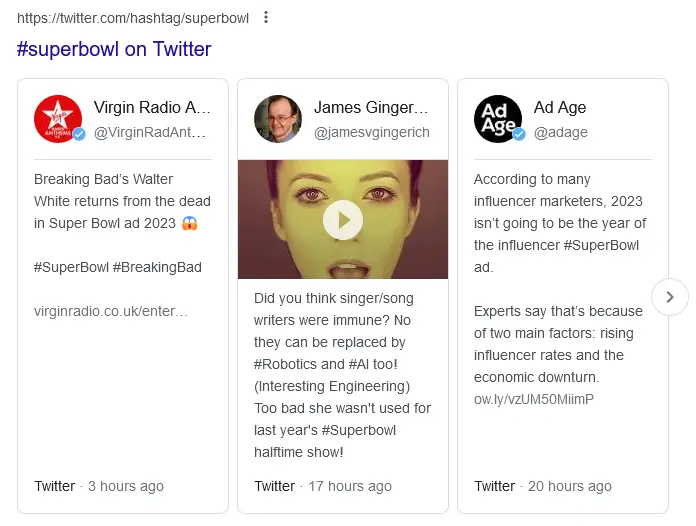
Social platforms generally allow people to talk about the game, but they also enforce trademark rules and brand protection policies, especially when the content is promotional. The biggest problems usually show up in paid campaigns, page names, handles, and branded hashtags, because those are easier to interpret as marketing.
If you are not affiliated with the NFL, do not build a campaign identity around the trademark. That means you should avoid putting “Super Bowl” in your account name, your page name, your hashtag strategy, or a promoted offer headline, even if you see other brands doing it.
Instead, keep your organic content descriptive and your promotional content generic. For organic posts, “We’re showing the game this Sunday” is clearer and safer than trying to brand the event, and you can focus on what customers actually want to know: food specials, hours, reservations, and whether sound will be on.
For paid social, keep the creative clean and literal. Use “Big Game” language, avoid official logos and marks, do not use team logos, and write copy that does not suggest endorsement, affiliation, or sponsorship.
Can Churches Say “Super Bowl”?
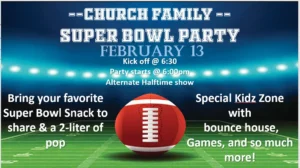
Most church watch events are fine when they stay truly nonprofit and they avoid turning the game into a commercial-style promotion. The two issues that tend to create problems are trademarked marketing language and public performance rules, so your safest plan is to keep the promotion simple and the viewing compliant.
If you are promoting the event, use “Big Game watch party” language and avoid team logos, official marks, and “official sponsor” style wording. A simple informational announcement is better than a hype campaign, and it is easier to defend as descriptive, not commercial.
For the viewing itself, keep to a conservative checklist:
- Host it at your normal place of worship or church facility, do not rent a separate venue for the event
- Show the game live, do not record it for delayed playback, and do not rebroadcast any portion
- Do not charge admission, donations to offset food costs are typically the safer approach
- Do not livestream the game, do not post clips, and do not encourage attendees to capture and share broadcast video
- Use equipment you already own and normally use, avoid renting special screens or setups solely for the event
If you are planning anything beyond a straightforward watch gathering, for example a large sponsored fundraiser, a ticketed event, or a public venue partnership, get legal guidance first. It is much easier to adjust the plan upfront than to unwind a promotion after it is already circulating.
Using Digital Video Recorders is Permitted
The NFL does not allow rebroadcasts of its games. However, churches can use a digital video recorder to watch the game from the beginning to end if Sunday evening services run past kickoff.
Do Not Use Names or Logos
The goal of these guidelines is not to scare anyone off, it is to help you run a smart, low-risk campaign that still performs. You can capture demand and attention around the weekend without borrowing the NFL’s branding.
Use generic football language, build clean creative, and keep the spotlight on your offer and customer experience. If you are unsure whether a phrase, graphic, or promotion crosses the line, choose the simpler option.
Note: Digital Results is not a law firm and this article is not legal advice. We are not affiliated with the NFL, any team, or any official sponsor, this is general marketing guidance based on publicly available information.